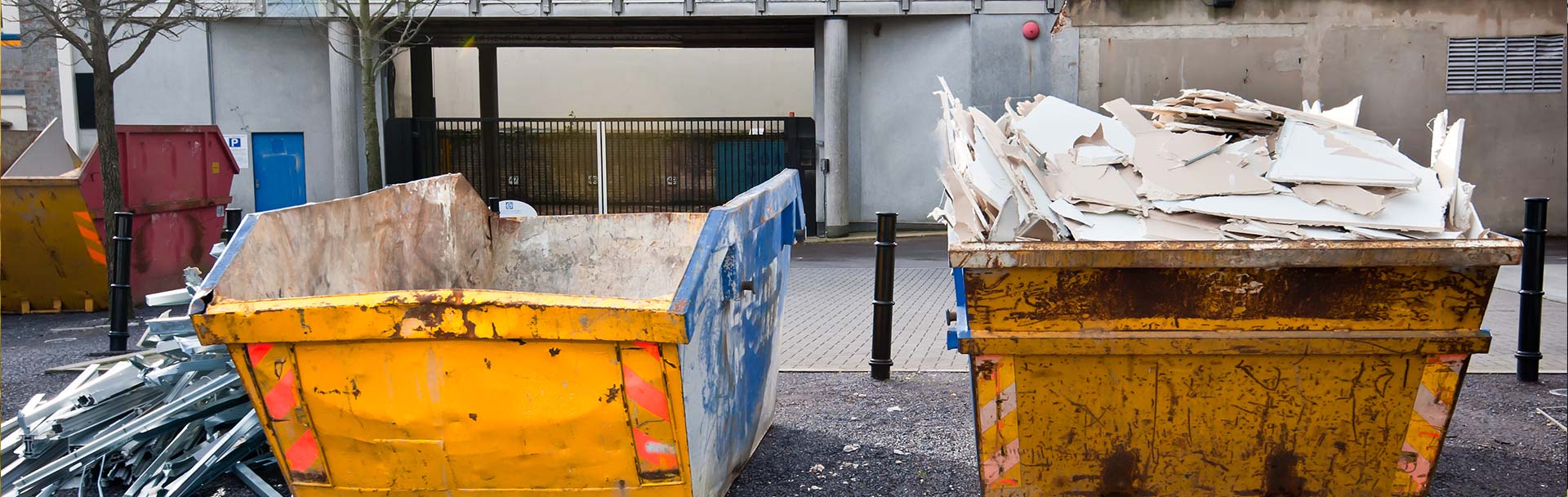
Rubbish Collection Camden for practical waste removal in Camden
Rubbish Collection Camden provides straightforward waste collection in Camden for homes, flats, shared buildings, landlords and businesses that need unwanted items taken away without unnecessary fuss. The service is built around clear, load-based collection of general rubbish, bulky household items and mixed waste that is ready to leave the property. It is a useful option when waste has built up after a clear-out, a move, an upgrade or a routine tidy-up and you want it removed in an organised way.
Our approach is designed to keep the service clear and practical. Customers can choose the most suitable collection type for the material they need to move, whether that is a small household load or a larger clearance requiring more time and lifting. For an overview of the wider service range, the services overview page explains the main options we provide alongside Camden rubbish collection.
We also make room for common practical needs such as access to upper floors, items that must be handled carefully and loads that include mixed materials rather than one neat category. If you are comparing service types, the waste removal in Camden page is a useful place to understand how different kinds of unwanted material are managed. Start with the items you want removed, then choose the collection that fits them best.
Household rubbish collection and property clear-outs
Domestic rubbish collection is often the simplest way to deal with accumulated bags, broken furniture, old storage items and general clutter that no longer has a place in the home. The work can involve one-off pick-ups or larger domestic clear-outs where several types of waste need sorting into a single collection. In a property with limited space, a planned removal can be more efficient than trying to move everything in stages.
House clearance work can be especially useful when a room, loft, cupboard or rental property needs to be emptied in a controlled way rather than cleared casually. The house clearance page covers that type of work in more detail, including the way a broader clearance can sit alongside standard rubbish collection. If your load includes heavier pieces or mixed household waste, this can help you decide what to include in one visit.
What household collections usually cover
Typical domestic work may include mattresses, chairs, shelving, old appliances, clothing, bags of general rubbish, dismantled furniture and assorted clutter from cupboards or outbuildings. It can also suit end-of-tenancy tidy-ups, garage clearances and smaller moving-day removals where the aim is to leave the property ready for the next stage. When several categories are involved, a single collection can reduce the need to organise separate disposal routes.
Bulky items, mixed loads and careful handling
Bulky waste requires a different approach from light bagged rubbish because it often needs more space, more handling and a clearer plan for removal. Items such as wardrobes, sofas, tables, broken beds and awkward fittings can be difficult to move through narrow hallways or shared entrances. A well-ordered collection keeps the process manageable and helps ensure the right equipment and vehicle space are used for the load.
For sites with furniture, fixtures and mixed household debris, a careful loading sequence matters as much as the final collection itself. That is why we treat bulky items as part of a broader waste-handling job rather than as an afterthought. If you need support with outward-facing or landlord-related clearances, the office clearance in Camden page may also be relevant where furniture, files and equipment are being removed from a workspace.
When a bulky collection is the better choice
Choose this kind of collection when the waste is physically awkward, when it includes several large pieces, or when the load has to be moved through shared access points with care. Planning the collection around the largest item first is often the most sensible way to approach it, because the remaining waste can then be arranged around what the vehicle can safely take. That is particularly helpful where there are both bulky and smaller items in the same job.
Garden, builders and office waste in one service family
Not all waste is the same, and different materials tend to work best when they are grouped by origin and handling needs. Green cuttings, soil-filled bags and lightweight outdoor waste call for a different method from rubble, timber offcuts and packaging left after small works. Likewise, office waste may include desks, chairs, screens and general business clutter that needs to be removed with minimal disruption to the premises.
If your job is more specialised, separate service pages can help you match the collection to the waste stream. The garden waste removal Camden page is suited to outdoor material, while the builders waste disposal Camden page covers more construction-related waste. For business premises, the office clearance Camden page is a sensible starting point when desks, storage and workplace fittings need to be removed together.
Choosing the right collection for the material
A good rule is to group the waste by the main material type and by how it will be lifted. Green waste, builders’ waste and office clutter each create different practical demands, even when the total volume looks similar at first glance. Choosing the right collection page helps keep the job focused, especially where the load includes a mix of light and heavy items that will need different handling.
Pricing, quotation details and what affects the collection
Price is usually shaped by the amount of waste, the type of material, access to the property and the time needed to carry items out safely. Loads with several large objects, awkward stair access or a mixture of bulky and loose waste may require more planning than a simple bag collection. That is why a clear description of the job is more useful than a vague request for a “small” or “large” collection.
When you want a more specific view of how quotations are approached, the pricing and quotes page explains the main factors in a straightforward way. The separate prices page is also available if you want to compare the general structure before you request a quote. A concise list of the waste you have is usually enough to begin that conversation.
Useful details to have ready
It helps to note the main item types, approximate quantity, floor level, access route and whether the waste is indoors, outdoors or split across more than one space. Photographs can also be helpful where they show the items clearly and give a sense of scale. If there are sharp, heavy or awkward objects in the load, mention those as part of the description so the collection can be matched to the job accurately.
Waste handling, recycling and responsible disposal
Collections are not just about taking items away; they also depend on where the waste goes afterwards and how it is separated. Different materials may need to be handled in different ways, especially when a load contains a mixture of furniture, household waste, garden material or builders’ debris. A sensible waste-removal service should therefore make the onward route of the material part of the process, not an afterthought.
The recycling and sustainability page sets out the wider approach to material recovery and disposal. Where safety matters, the insurance and safety page is also worth reading, especially if the collection involves large, heavy or awkward objects. If you want to understand how payment is managed, there is also a payment and security page with the relevant information in one place.
Keeping collections organised
Good organisation can make a collection faster to complete and easier to plan. Waste that is grouped sensibly, separated where needed and ready for lifting gives a much clearer starting point than a scattered pile of mixed objects. That matters in both homes and workplaces, because it allows the collection to focus on the waste itself rather than on unnecessary sorting at the point of removal.
About Camden
Camden is a central and north-west London district known for its dense urban character, strong transport links and varied built environment. The area grew rapidly in the nineteenth century alongside the expansion of rail, canal and market activity, and traces of that industrial past still sit alongside later housing, civic buildings and commercial streets. The Regent’s Canal runs through part of the borough, creating a distinctive waterside route that links places such as Camden Town, Regent’s Park and King’s Cross. Much of the local landscape is shaped by a contrast between busy road corridors, residential squares, market areas and pockets of open space. Camden Market, with its mix of stalls and small units, has become one of the area’s best-known visitor attractions, while nearby Primrose Hill offers a more residential setting and one of London’s celebrated viewpoints. The borough also contains important cultural institutions, including the British Library at St Pancras and the Roundhouse in Chalk Farm, both of which sit within a wider environment of late-Georgian, Victorian and modern architecture. Camden’s streets are lined with terraces, mansion blocks and converted former commercial buildings, reflecting successive phases of urban change. Green spaces such as Regent’s Park and smaller squares and gardens provide relief from the built-up core, while the canal-side towpaths, railway approaches and market streets give the district a distinctive pattern of movement and activity. The place has long been associated with music, publishing, housing diversity and adaptable commercial property, making it one of London’s most recognisable and layered inner areas.
Commercial clearance for premises, landlords and managed properties
Commercial rubbish collection often needs a different rhythm from domestic work because the space may have staff, customers, tenants or building management rules to consider. Offices, studios, shops and managed properties can all produce a mix of redundant furniture, packaging, archived material and general waste that has to be removed without causing unnecessary interruption. A properly organised collection helps keep the workspace usable while the unwanted material leaves in a single planned move.
Where a business is clearing rooms, replacing fixtures or simplifying storage, office and mixed-commercial collections can be arranged around the practical layout of the site. The about us page gives a broader company overview, while the testimonials page is available if you want to see how the service is presented elsewhere on the site. For local background and reading related to the area, there are also Camden blog pages such as the Camden Town guide and locals’ views on living in Camden.
Preparing the job sensibly
If a clearance involves multiple rooms or mixed use, it is helpful to identify the main pieces first and then note any items that need extra care because of weight, shape or access. A quick written summary can be enough to request a quotation and helps avoid unnecessary back-and-forth. When you are ready to take the next step, send the details that best describe the load and choose the collection page that matches the work.
Additional service pages and final quotation request
Some customers want a single page that covers the core collection, while others prefer to explore narrower service types first. That is why the site also separates rubbish collection from related pages for waste removal, house clearance, office clearance, builders’ waste and garden material. Each page gives a more focused description of the kind of load involved, which can be useful if your waste is mainly from one source rather than a general mix.
If you are comparing options or checking practical details before you ask for a price, the main pages above should give you a clear starting point. You can also review the contact us page to make a quotation request, or revisit pricing and quotes if you want to look at the usual quotation process first. Use the page that best matches the waste you have, then send a brief description of the collection you need.
Ask for a quotation
For rubbish collection in Camden, the most useful next step is to request a quotation with a clear summary of the items, access and location within the property. If you already know the main load type, choose the most relevant service page and use the contact route provided there. We are ready to help with practical removal work, from straightforward household waste to larger mixed collections, so please get in touch for a quotation today.
What Our Customers Say

Excellent on Google
4.5
 (79)
(79)
(79)
What Our Customers Say
S
Seamus Fink

S
Susana Carver
A
Alanis Bartholomew
N
Nathanael Tackett
N
Neil Wyman
F
Fabian Hartley
M
Martina Melton
E
E. Young
M
Mykala Barclay
J
J. Andrew
Company name: Rubbish Collection Camden
Opening Hours: Monday to Sunday, 07:00-00:00
Web: https://rubbishcollectioncanarywharf.co.uk/
Description: Rubbish Collection Camden provides domestic and commercial waste collection, bulky item removal and site-clearance support in Camden. View services and request a quotation.
Opening Hours: Monday to Sunday, 07:00-00:00
Street address: 6 Anglers Ln
Postal code: NW5 3DG
City: London
Country: United Kingdom
Postal code: NW5 3DG
City: London
Country: United Kingdom
Latitude: 51.5472950 Longitude: -0.1423980
E-mail: [email protected]Web: https://rubbishcollectioncanarywharf.co.uk/
Description: Rubbish Collection Camden provides domestic and commercial waste collection, bulky item removal and site-clearance support in Camden. View services and request a quotation.
Sitemap