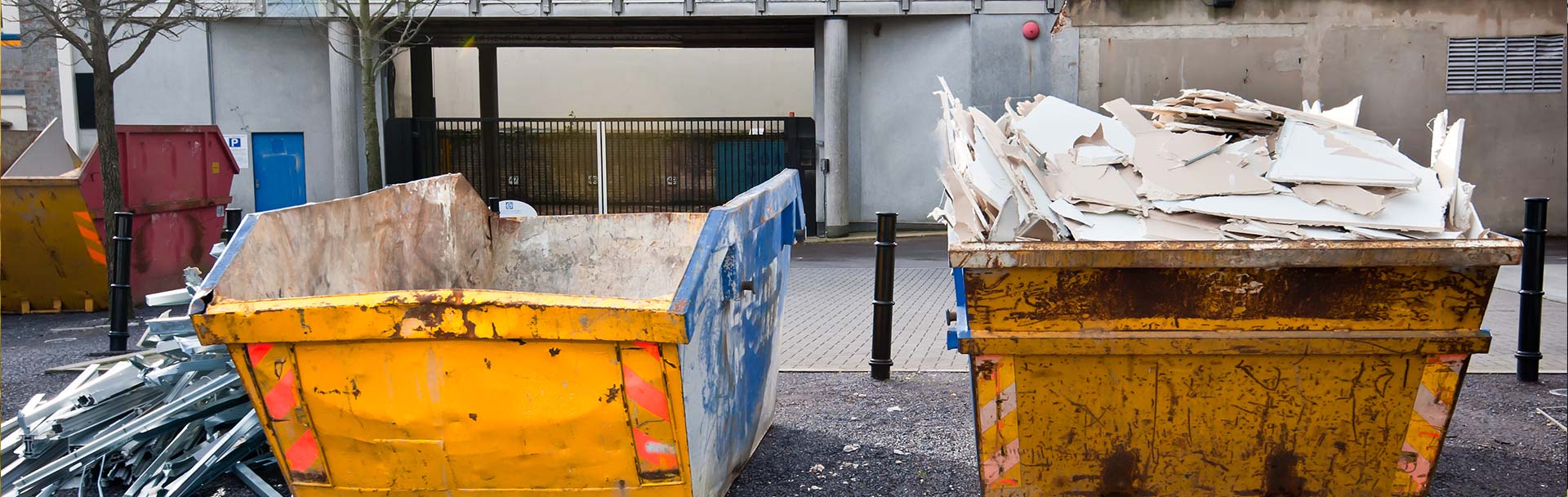
Same day rubbish removal delays in Canary Wharf and fixes
Posted on 10/10/2026
If you have booked same day rubbish removal in Canary Wharf and the collection is running late, it can throw the whole day off. One minute you are clearing a flat, office, or building site; the next you are waiting by the window, wondering whether the lorry is stuck in traffic, delayed at the loading bay, or simply arriving later than planned. It happens. And in a busy part of London like Canary Wharf, delays can be frustrating but usually fixable.
This guide explains same day rubbish removal delays in Canary Wharf and fixes in plain English: why delays happen, what you can do about them, how the service should work, and how to reduce the chance of a missed slot in the first place. We will also cover practical checks, common mistakes, and the kind of best practice that saves time on both sides. If you are dealing with a tight deadline, a lease handover, or just a pile of waste that needs shifting before evening, this should help you get back on track without the usual headache.
To be fair, rubbish removal is one of those services that feels simple until a narrow access road, concierge desk, parking restriction, or lift booking gets involved. Canary Wharf has its own rhythm, and that rhythm matters.

Why Same day rubbish removal delays in Canary Wharf and fixes Matters
Same day rubbish removal is often booked for reasons that are urgent, not optional. A tenant move-out needs a clean handover. An office refit needs waste cleared before contractors return. A landlord wants the flat ready for viewings. A retailer or restaurant needs bags, packaging, or bulky items gone before opening the next day. When the collection slips, the ripple effect can be bigger than people expect.
In Canary Wharf, that ripple effect is often amplified by the setting. You have a concentrated mix of residential towers, commercial buildings, security-controlled access, underground parking, loading rules, and busy pedestrian routes. Add a tight schedule, and even a short delay can become a proper issue. Not dramatic, just annoying in that very London way.
The real point is this: delays matter because rubbish rarely exists in isolation. It blocks access, slows jobs, creates safety concerns, and can even affect whether a property looks presentable enough for the next planned step. If waste is sitting in a hallway, lobby, or office floor, everything else feels unfinished.
A quick fix also matters because uncertainty costs time. When you know whether the team is arriving later, whether access needs adjusting, or whether the load needs splitting, you can make decisions fast. That is where experienced collection planning makes a difference. The best operators do not just turn up; they help you remove friction before it becomes a problem. If you want a clearer view of what a well-organised service looks like overall, the services overview page is a useful place to understand the broader options.
How Same day rubbish removal delays in Canary Wharf and fixes Works
Same day rubbish removal usually works on a simple principle: you request a collection, confirm what needs to go, agree a time window, and the team dispatches a vehicle and crew as soon as possible. The "same day" part depends on capacity, location, access, and how quickly the details are confirmed. In a place like Canary Wharf, those details can matter more than the headline promise.
Here is the bit people sometimes miss: same day does not always mean exact minute-by-minute timing. It often means priority scheduling, with the collection slotted into a route that already covers the area. If the earlier job runs long, if a building is slow to provide access, or if traffic near the Isle of Dogs gets ugly, the timing shifts. That is not ideal, but it is normal enough.
Delays typically fall into a few groups:
- Access delays - the crew cannot enter the building, lift, loading bay, or car park as planned.
- Traffic or route delays - road conditions, deliveries, or construction congestion slow the vehicle.
- Scheduling overlap - a previous collection takes longer because the waste volume was underestimated.
- Item mismatch - the team arrives and finds the load is much larger, heavier, or more complex than described.
- Parking or permit issues - the vehicle cannot stop safely or legally where expected.
The fix depends on which of those is causing the hold-up. If it is access, the solution may be as simple as confirming the concierge contact or arranging a call on arrival. If it is load size, the answer might be to bring a second crew or return with a larger vehicle. If it is scheduling, the provider should update you honestly rather than leaving you guessing. Truth be told, the worst delays are the silent ones.
In practical terms, a good rubbish removal company will ask enough questions before the job to prevent avoidable slippage. That includes the type of waste, floor level, lift access, parking arrangements, and whether the waste is bagged, boxed, loose, or already stacked near the exit. Small details, big difference.
Key Benefits and Practical Advantages
When same day rubbish removal goes smoothly, the benefits are immediate and obvious. You get the space back, the project moves on, and the mess stops sitting there nagging at you every time you walk past it. But the practical advantages go a bit deeper than that.
- Faster turnaround - useful for tenancy handovers, refurbishment deadlines, and office clear-outs.
- Less disruption - a tight collection window reduces the time waste blocks access or clutters the area.
- Better safety - fewer trip hazards, fewer sharp edges, and less chance of clutter causing an accident.
- Cleaner presentation - handy when a property needs to look ready for viewings, inspections, or reopening.
- Less stress - honestly, knowing it is handled is half the battle.
There is also a cashflow angle for businesses. Delayed waste clearance can hold up a fit-out, push back the next contractor, or create extra labour cost if staff end up waiting around. In residential settings, it can delay a move-out or leave a landlord with a property that is not quite ready for its next chapter.
One subtle benefit is control. Same day collections allow you to react to surprises: an extra room of clutter, a burst of packaging after delivery, or a last-minute office clean-up after a team meeting goes longer than expected. That kind of flexibility is useful, especially in a fast-moving part of London where plans can change by lunchtime.
If your waste includes mixed items from refurbishments or strip-outs, it may help to compare a general collection with a more specific clearance job. For example, builders waste disposal is relevant where rubble, timber, and site waste need a more structured approach, while office clearance may suit desks, chairs, paperwork, and redundant equipment.
Who This Is For and When It Makes Sense
This service makes sense for anyone who needs waste removed quickly and cannot afford to wait around. That sounds broad because it is broad. But the reasons differ a lot depending on the customer.
Common users of same day rubbish removal
- Homeowners and tenants - for end-of-tenancy clear-outs, bulky items, or post-move mess.
- Landlords and letting agents - when a property must be reset fast between occupancies.
- Offices and commercial tenants - after a refit, relocation, or furniture refresh.
- Developers and contractors - for leftover materials, packaging, and light site waste.
- Retail and hospitality businesses - when storage rooms, stock overspill, or broken fixtures need clearing.
The service makes the most sense when timing is the real problem. If you have three days to spare, you can probably be more flexible. If you need the waste gone before a fire inspection, a building manager visit, or a new tenant inventory, then same day service becomes much more valuable.
It is also a good fit when waste has been underestimated. Let's face it, people often think "it's just a few bags" until the hallway tells a different story. A collection team can usually adapt faster than a DIY plan can. That does not mean every job should be rushed, though. If the waste includes hazardous items, heavy lifting risks, or restricted materials, you want the right handling, not just the quickest van.
For households that are mostly clearing furniture, mixed junk, or general bulky waste, a service like house clearance may be more suitable than a basic one-off pickup. And if you are weighing up whether the price is worth the speed, the pricing and quotes page can help set expectations before you commit.
Step-by-Step Guidance
If you want to reduce same day rubbish removal delays in Canary Wharf, the best approach is not complicated. It is mostly about preparation, communication, and being realistic about access. Here is a straightforward way to handle it.
- List exactly what needs removing. Separate bags, boxes, furniture, electricals, and heavy items. If you are unsure, note it. A quick photo usually helps more than a long description.
- Check access points. Ask yourself: can a van stop nearby? Is there a loading bay? Is there lift access? Are there concierge or security steps the crew needs to know about?
- Confirm timing clearly. Same day does not always mean "within an hour". Ask for the expected window and what might affect it.
- Prepare the waste before the crew arrives. Stack it safely, keep walkways clear, and separate anything fragile or awkward.
- Stay reachable. A missed call or unanswered text can slow everything down. That small detail really does matter.
- Tell the team about surprises immediately. If there is a second pile in another room, say so early. Do not wait until the van is already loading.
- Inspect the result before the crew leaves. Quick check, quick fix. Much easier then than later.
A small but useful habit is to treat the booking like a handover, not just a pickup. The more the provider knows upfront, the fewer awkward moments later. And in Canary Wharf, where building procedures can be more structured than a normal street-level collection, that little bit of prep can save an hour or more.
One real-world example: a resident in a tower block may have waste ready, but if the concierge only allows access during certain periods, the collection team may need to coordinate the final approach rather than just "arrive and collect". That is not failure; that is the reality of the building.
Expert Tips for Better Results
Over time, the smoothest same day collections tend to share a few traits. Nothing fancy. Just disciplined basics done well.
- Send photos before the job starts. This helps avoid underestimating the load and prevents awkward surprises at the kerbside.
- Be precise about waste type. General rubbish, furniture, office items, and construction waste are handled differently in practice.
- Ask how delays are communicated. A good provider should tell you if they are running behind, not leave you in limbo.
- Keep the access route clear. Even a narrow hallway full of shopping bags and boxes can slow a collection far more than people expect.
- Plan around building rules. Concierge desks, lift bookings, and loading restrictions are easy to overlook. And then they are the whole job.
- Bundle waste sensibly. Bag light waste, keep sharp items separate, and avoid loose scatter where possible.
Here is a simple but useful rule: if the waste is hard for you to describe, it is probably worth taking photos and sending them with your enquiry. That avoids the classic "oh, I forgot about the broken wardrobe in the spare room" moment. Happens all the time.
Another tip is to think in terms of route efficiency. If you can place the waste near a reachable exit, you are helping the crew do the job quickly and safely. In a high-rise or managed estate, that tiny detail can be the difference between a neat same day clearance and a late afternoon scramble.
If your job involves waste that needs a greener disposal route, look at how the provider talks about sorting and reuse. The recycling and sustainability page gives a sense of the approach a responsible operator should take.

Common Mistakes to Avoid
The biggest delays are often self-inflicted, which is annoying but true. The good news is they are usually preventable.
- Giving a vague description. "A bit of rubbish" is not enough when a crew needs to plan vehicle size and time.
- Forgetting access restrictions. No parking, no loading, no lift booking, no collection. Simple as that.
- Mixing prohibited items with general waste. This can cause the team to pause the job while they clarify what can legally be taken.
- Assuming same day means immediate. It often means priority scheduling, not instant dispatch.
- Not being present or contactable. If the crew cannot confirm access, they may have to move on.
- Underestimating volume. That corner stack grows legs somehow. You know how it is.
Another mistake is choosing purely on speed and ignoring the details. If the job is complicated, a rushed promise may be less useful than a provider who asks the right questions. Speed matters, yes. But reliability matters more when the building is strict, the parking is awkward, or the deadline is non-negotiable.
There is also a paperwork side that people skip. For business collections, keep records of what was removed, when, and by whom. It may feel tedious at the time, but later it saves a lot of back-and-forth if someone asks what happened to an item or when the waste left the site.
Tools, Resources and Recommendations
You do not need specialist equipment to manage a same day collection well, but a few simple tools make the process easier. None of this is glamorous, but it works.
- Phone camera - take clear photos of the waste, access route, and any bulky items.
- Basic measuring tape - useful for furniture, doorways, or awkward items that need a tight lift.
- Labelled bags or boxes - helps separate what is going, what is staying, and what needs special handling.
- Site or building contact details - concierge, porter, or reception contact can save time on arrival.
- Simple floor plan notes - especially helpful for offices or larger properties.
For recommendations, choose a provider that is clear about pricing, access needs, waste types, and what happens if the job changes on the day. Transparency is not just nice to have; it is what keeps a same day booking from wobbling.
If you are dealing with a mixed project rather than one-off waste, browsing the broader service options can help. For example, rubbish collection and waste removal pages may be useful if you want to compare how different collection types are positioned, while about us can help you judge the company's tone and approach before you book.
On the customer side, the best "tool" is often just good organisation. Waste ready. Access clear. Contact available. That is half the job done before the van turns up.
Law, Compliance, Standards, or Best Practice
With rubbish removal, the compliance side matters because waste cannot just be moved casually and forgotten about. In the UK, waste should be handled responsibly, with proper transfer and disposal arrangements, and it is wise to use a provider that understands sorting, segregation, and lawful disposal routes. You do not need to be an expert yourself, but you should expect the operator to be competent and careful.
For commercial customers, this becomes even more important. If you are clearing an office, retail unit, or building project area, it is sensible to keep records of what was collected and when. That is simply good practice, and it can help if you ever need to answer an internal audit question or property management query later.
Best practice also includes safety. Heavy lifting, awkward objects, broken glass, and tight stairwells all create risk. A professional team should manage that with the right methods, and you should avoid asking staff or residents to carry unsafe loads just to save a bit of time. Not worth it.
Some waste types may need special handling, depending on what they are. If in doubt, describe the items clearly and let the provider confirm whether they can be collected. It is better to pause for clarification than to turn up with the wrong assumptions. That is especially true in managed Canary Wharf buildings where site rules can be strict and space is limited.
If safety standards matter to you, the insurance and safety page is worth reviewing before booking, and terms and conditions can help you understand the booking expectations in plain terms.
Options, Methods, or Comparison Table
Not every urgent clearance needs the same approach. Sometimes a small same day pickup is enough. Sometimes you need a fuller clearance with more planning. The right choice depends on access, waste volume, and how quickly the space must be usable again.
| Option | Best for | Typical advantage | Possible drawback |
|---|---|---|---|
| Same day rubbish removal | Urgent, smaller to medium waste jobs | Fast turnaround and minimal disruption | Timing can shift if access or load details are unclear |
| Planned next-day collection | Jobs with flexible deadlines | More time to prepare access and sort waste | Not suitable if space must be cleared immediately |
| House clearance | Whole-property or larger domestic clear-outs | Better for mixed bulky items and larger loads | May take more coordination than a simple pickup |
| Office clearance | Desks, chairs, equipment, and business move-outs | Useful for commercial projects with structured access | Needs clearer planning and building coordination |
| Builders waste disposal | Refurbishment and site debris | Suitable for heavier, more organised waste streams | May require more exact descriptions and sorting |
If you are unsure which route fits, think about the waste first and the deadline second. That may sound backwards, but it is usually the right way around. A fast collection only works well when the actual job matches the service being booked.
Case Study or Real-World Example
Here is a realistic scenario based on the kind of jobs that come up in Canary Wharf.
A small office is finishing a partial clear-out on a weekday afternoon. The team has to remove broken chairs, packaging, a few filing cabinets, and a run of mixed office waste before the building's evening access window closes. The first plan is simple, but one issue appears quickly: the loading area has a narrow time restriction, and the lift booking is tighter than expected.
Rather than leaving the crew guessing, the office manager sends photos, confirms the number of floors involved, and tells the provider that a second storage room also needs clearing. The collection is delayed a little, but not derailed. The crew adjusts vehicle positioning, arrives within a revised window, and takes the waste in one organised load.
What made it work? Three things, really:
- The waste was described honestly.
- Access details were shared early.
- The delay was communicated instead of being hidden.
If the manager had simply said "office junk, same day please", the booking would have been much more vulnerable to delay. That is the lesson. Clear information saves time. Every time.
And yes, sometimes the fix is boringly practical. A phone call, a photo, and a revised arrival window. Not exactly glamorous, but it works.
Practical Checklist
Use this checklist before your collection if you want the best chance of avoiding delays.
- Confirm what needs removing and whether anything is fragile, heavy, or awkward.
- Take clear photos of the waste and any access points.
- Check building rules for parking, loading, lifts, or concierge access.
- Make sure someone is available to answer the phone or meet the crew.
- Clear the route from the waste to the exit.
- Separate anything that must stay so it is not taken by mistake.
- Ask about timing and whether delays will be communicated by text or call.
- Prepare for changes if the pile turns out bigger than expected.
- Keep any reference numbers or booking notes in one place.
- Do a final walk-through before the vehicle leaves.
If you can tick most of those off, you are already ahead of the game. It does not need to be perfect. Just clear enough that the crew can get in, get out, and leave the place looking sorted.
Conclusion
Same day rubbish removal delays in Canary Wharf are usually less about bad luck and more about details: access, timing, load size, and building rules. The good news is that most of the common problems can be fixed with better information, a little preparation, and honest communication on both sides. Once you know what is causing the delay, the solution is often simpler than it first looks.
If you are planning an urgent clearance, focus on three things: describe the waste properly, confirm the access arrangements, and choose a provider that communicates clearly when plans change. That combination keeps stress low and progress steady. And that is what most people really want, after all.
Get a free quote today and see how much you can save.
Whatever the job looks like this week, a calm, well-planned collection can turn a messy deadline into a manageable one. Small wins count.

 Tipper Van - Rubbish Collection and Rubbish Removal Prices in Camden, NW1
 Luton Van - Rubbish Collection and Rubbish Removal Prices in Camden, NW1